
How to Plan Meals from Pantry Staples
Planning meals from pantry staples is a practical way to make cooking easier, reduce food waste, and avoid last-minute trips to the store. With a few basic ingredients on hand, you can create a variety of meals by changing the seasonings, sauces, and fresh additions.
The key is not to build a rigid menu around specific recipes. Instead, think in terms of meal types, flexible ingredients, and simple combinations. This approach helps you use what you already have while leaving room to adjust based on your schedule and preferences.
Start with a Pantry Inventory
Before planning meals, take a quick look at what you have. Group similar items together so they are easy to find and use.
Common pantry categories include:
– Grains such as rice, pasta, oats, couscous, and quinoa
– Canned goods such as beans, tomatoes, corn, and vegetables
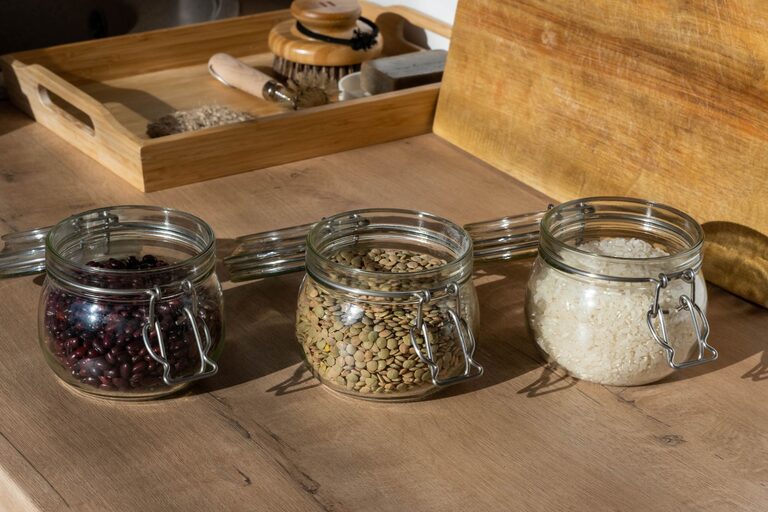
– Dry goods such as lentils, split peas, and breadcrumbs
– Shelf-stable proteins such as canned tuna, canned chicken, or nut butter
– Cooking basics such as oil, vinegar, flour, and broth
– Flavor ingredients such as spices, herbs, soy sauce, and hot sauce
Check packages for freshness and arrange older items toward the front. This simple “first in, first out” system encourages you to use older products before newer ones.
You do not need to count every item precisely. A general list is enough to show which ingredients should be used soon and which staples can form the foundation of several meals.
Build Meals Around a Simple Formula
A useful meal-planning formula is:
Base + protein + vegetables + flavor
For example, rice can be combined with beans, canned tomatoes, and chili powder. Pasta can be paired with lentils, frozen vegetables, and a garlic-based sauce. Oats can become breakfast with nut butter, cinnamon, and fruit.
This formula makes it easier to create meals without following a recipe exactly.
Choose a Base
Start with an ingredient that provides structure. Good options include:
– Rice
– Pasta
– Potatoes
– Bread or tortillas
– Oats
– Couscous
– Quinoa
– Beans or lentils
A single base can support several different meals. Rice might become a grain bowl, a stir-fry, or a filling for stuffed vegetables. Pasta can be served with tomato sauce one day and turned into a cold salad the next.
Add a Protein
Protein helps make meals satisfying. Pantry-friendly choices include beans, lentils, chickpeas, canned fish, nut butter, seeds, and shelf-stable tofu.
If you also keep eggs, cheese, yogurt, or frozen meat available, these can add even more flexibility. Choose one or two protein options for the week and plan meals that use them in different ways.
For example, cooked lentils can be added to soup, mixed into pasta sauce, or seasoned for a grain bowl.
Include Vegetables
Fresh vegetables are useful, but they are not the only option. Frozen and canned vegetables can work well in soups, casseroles, pasta dishes, and skillet meals.
Keep a mix of vegetables with different textures and flavors. Peas, corn, spinach, green beans, tomatoes, carrots, and roasted peppers are especially versatile. If using canned vegetables, drain and rinse them when appropriate to adjust the flavor and texture.
Finish with Flavor
Seasonings can make the same basic ingredients feel like different meals. Useful flavor builders include:
– Garlic and onion powder
– Paprika
– Cumin
– Curry powder
– Italian seasoning
– Soy sauce
– Vinegar
– Mustard
– Salsa
– Tomato paste
– Broth
– Lemon juice
Try to choose a flavor theme for each meal rather than adding every seasoning at once. For example, cumin, chili powder, and salsa can create a southwestern-style dish, while garlic, oregano, and tomatoes can create an Italian-inspired meal.
Plan by Meal Type Instead of Exact Recipes
Planning exact recipes for every day can become difficult when ingredients run out or schedules change. A more flexible method is to plan a few meal categories.
For one week, you might choose:
– Two grain-based meals
– One soup or stew
– One pasta dish
– One skillet meal
– Two easy leftover meals
This gives you direction without requiring a different recipe every night. It also makes leftovers easier to use because many meals can be reheated, combined, or transformed.
For example, a pot of beans and rice can become a bowl with salsa, a filling for tortillas, or a topping for a baked potato. Leftover pasta sauce can be added to soup or spread on toast.
Make a Short Shopping List
After reviewing your pantry, shop only for ingredients that complete your planned meals. Focus on fresh items that add color, texture, or extra flavor.
A useful shopping list might include:
– One or two fresh vegetables
– Fresh fruit for snacks or breakfast
– A dairy or nondairy topping
– Eggs or another convenient protein
– Bread, tortillas, or another preferred base
– Fresh herbs, citrus, or a sauce
Avoid buying several ingredients that serve only one recipe. Instead, choose items that can be used in multiple meals. For example, spinach can be added to eggs, soup, pasta, and sandwiches.
Use a Weekly Prep Session
A small amount of preparation can make pantry meals much faster during the week. You do not need to cook everything in advance.
Consider preparing one or more of these items:
– A batch of rice, quinoa, or another grain
– Cooked beans or lentils
– Chopped onions or vegetables
– A simple sauce or dressing
– Washed salad greens
– Portion-sized snacks
Label leftovers with the date and store them promptly. Keep prepared food in suitable containers and follow the storage guidance for each ingredient.
Keep a List of Flexible Meal Ideas
A short list of dependable combinations can help when you are tired or short on time. Examples include:
Pantry Pasta
Cook pasta and combine it with canned tomatoes, beans, frozen vegetables, and Italian seasoning. Add cheese, breadcrumbs, or fresh herbs if available.
Rice and Bean Bowls
Layer rice, beans, corn, salsa, and a flavorful dressing. Add avocado, greens, cheese, or a fried egg when available.
Lentil Soup
Simmer lentils with canned tomatoes, broth, onions, carrots, and spices. Serve with bread or rice for a complete meal.
Savory Oats
Cook oats with broth instead of water, then top them with beans, vegetables, an egg, or a spoonful of salsa.
Pantry Tuna or Chickpea Salad
Mix canned tuna or mashed chickpeas with mustard, vinegar, seasonings, and a creamy ingredient. Serve in sandwiches, wraps, or over greens.
Review What Worked
At the end of the week, note which meals were easy, which ingredients were left over, and what you would buy again. This review helps improve future planning.
You may discover that you need more quick-cooking grains, different seasonings, or smaller quantities of certain items. Over time, your pantry will become easier to manage because you will know which staples your household uses most often.
Meal planning from pantry staples is less about following a perfect system and more about creating useful options. By combining a flexible base, a protein, vegetables, and a few flavorful ingredients, you can prepare simple meals with less stress and fewer unused groceries.
