
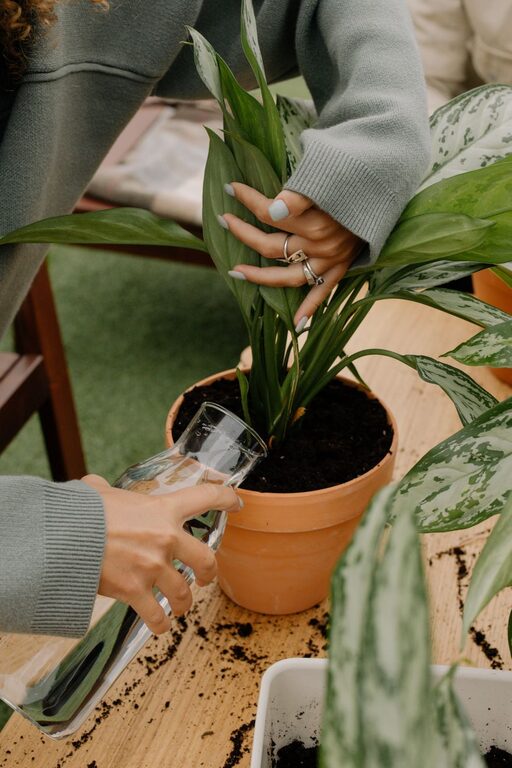
Simple Tips for Keeping Houseplants Healthy
Houseplants can make a home feel brighter, calmer, and more inviting. They also add color and texture to rooms of all sizes. However, healthy plants need more than occasional watering. The right balance of light, moisture, soil, temperature, and regular care can help your plants grow strong and avoid common problems.
Whether you are caring for a single pothos or building a large indoor collection, these practical tips can help you keep your houseplants healthy.
Choose the Right Plant for Your Space
Before bringing a plant home, consider the conditions in the room where it will live. Different plants have different needs, and a plant that thrives in a bright window may struggle in a darker corner.
Think about:
– How much natural light the room receives
– Whether the light is direct or indirect
– The average temperature and humidity
– How much time you can spend on plant care
– The available space for leaves and roots
If you are new to houseplants, start with hardy varieties such as pothos, snake plants, spider plants, or ZZ plants. These plants are generally more forgiving when conditions are not perfect.
Provide the Right Amount of Light
Light gives plants the energy they need to grow. Place each plant according to its light requirements rather than choosing a location based only on appearance.
Bright Light
Plants that need bright light often do well near an east- or south-facing window. However, strong afternoon sunlight can scorch leaves, especially when it passes through glass. A sheer curtain can help soften intense rays.
Low Light
Low-light plants can survive farther from windows, but “low light” does not mean no light. A completely dark corner will not support healthy growth. If natural light is limited, consider using a grow light for several hours each day.
Watch for Signs
Plants may show you whether they are receiving enough light. Long, weak stems and small new leaves can indicate insufficient light. Pale, bleached, or scorched patches may mean the plant is receiving too much direct sun.
Turn potted plants a quarter turn every week or two. This helps all sides receive light and encourages more even growth.
Water Thoroughly, but Not Too Often
Overwatering is one of the most common causes of houseplant problems. Many plants are damaged by soil that stays wet for too long rather than by occasional dryness.
Before watering, check the soil with your finger. For many common houseplants, allow the top inch or two of soil to dry before watering again. Plants with thick leaves or fleshy roots may need to dry out even more.
When it is time to water:
- Pour water slowly over the soil.
- Continue until water flows from the drainage holes.
- Let the pot drain completely.
- Empty any water collected in the saucer.
Avoid giving a plant frequent small sips unless its care instructions specifically call for that approach. Deep watering encourages moisture to reach the full root system.
Keep in mind that watering needs change with the seasons. Plants often need less water during cooler, darker months and more water during periods of bright light and active growth.
Use Pots with Drainage Holes
Good drainage helps prevent waterlogged soil and root problems. Whenever possible, choose pots with drainage holes at the bottom. Decorative containers without holes can still be used as outer pots, but place the plant in a separate nursery pot first.
Do not add a thick layer of stones to the bottom of a pot as a substitute for drainage. This can cause water to collect above the stones. Proper drainage holes and a suitable potting mix are more effective.
Select a pot that is only slightly larger than the root ball when repotting. An oversized pot holds more soil, which can stay wet longer than the roots can use.
Choose Suitable Potting Soil
Regular garden soil is often too dense for indoor containers. It may hold too much moisture and can contain pests or plant diseases. Use a quality indoor potting mix instead.
Different plants may benefit from different mixes:
– Tropical foliage plants often prefer a loose, well-draining mix.
– Succulents and cacti need soil that drains quickly.
– Orchids usually require a special bark-based mix.
– Plants that prefer moisture may do well in a mix with added peat or coconut coir.
Refresh the soil when it becomes compacted, drains very slowly, or no longer supports healthy growth.
Maintain Comfortable Temperature and Humidity
Most houseplants grow well in temperatures that are comfortable for people. Protect them from sudden changes, such as cold drafts, hot air from heating vents, and direct blasts from air conditioners.
Humidity can also affect plant health. Brown leaf edges may appear when the air is very dry, although other issues can cause the same symptom. To increase humidity, try:
– Grouping plants together
– Running a room humidifier
– Placing a water tray nearby
– Moving plants away from heating vents
Avoid placing pots directly in standing water. The container should remain above the water line so the soil does not stay constantly wet.
Feed Plants During Active Growth
Plants use nutrients from the soil, but container plants may eventually need extra support. During spring and summer, many houseplants benefit from a balanced indoor plant fertilizer used according to the product instructions.
Never assume that more fertilizer will produce faster growth. Too much can damage roots and cause a buildup of salts in the soil. Avoid fertilizing a plant that is stressed, severely dry, recently repotted, or showing signs of root problems until it has recovered.
Reduce or stop feeding during periods when the plant is naturally growing more slowly, unless its care requirements state otherwise.
Inspect Plants for Pests
Check your plants regularly, especially when watering or cleaning the leaves. Look under leaves, along stems, and around the soil surface for signs of pests.
Common warning signs include:
– Sticky residue on leaves
– Fine webbing
– Tiny moving insects
– White cottony spots
– Yellowing or distorted new growth
If you find pests, move the affected plant away from others. Wipe the leaves gently with a damp cloth and follow the directions for an appropriate houseplant treatment. Repeat inspections over the next few weeks, since pests can return after the first treatment.
Quarantine new plants for a short period before placing them beside your existing collection. This simple step can help prevent pests from spreading.
Clean and Prune Regularly
Dust can collect on broad leaves and reduce the amount of light a plant can use. Wipe leaves with a soft, damp cloth or rinse suitable plants gently with lukewarm water. Avoid using household cleaning products or leaf-shine products unless they are specifically made for plants.
Remove yellow, brown, or damaged leaves with clean scissors. Pruning improves the plant’s appearance and allows it to direct energy toward healthy growth. Always cut just above a leaf node or close to the base of the damaged leaf, depending on the plant.
Repot When Necessary
A plant may need repotting when roots circle tightly around the container, grow from the drainage holes, or dry out unusually quickly after watering. Slow growth and soil that has become hard and compacted can also be signs.
Repot during the plant’s active growing season when possible. Choose a container only one size larger, use fresh potting mix, and water lightly after repotting. Give the plant time to adjust before fertilizing.
Pay Attention to Changes
Healthy plant care is an ongoing process. Notice changes in leaf color, growth rate, soil moisture, and overall shape. Keep a simple care schedule if you have several plants, but always check the soil and plant before following a routine.
Small adjustments often make a big difference. Move a plant closer to a window, reduce watering, improve drainage, or increase humidity based on what you observe. With consistent attention and the right conditions, houseplants can remain healthy and attractive throughout the year.
