
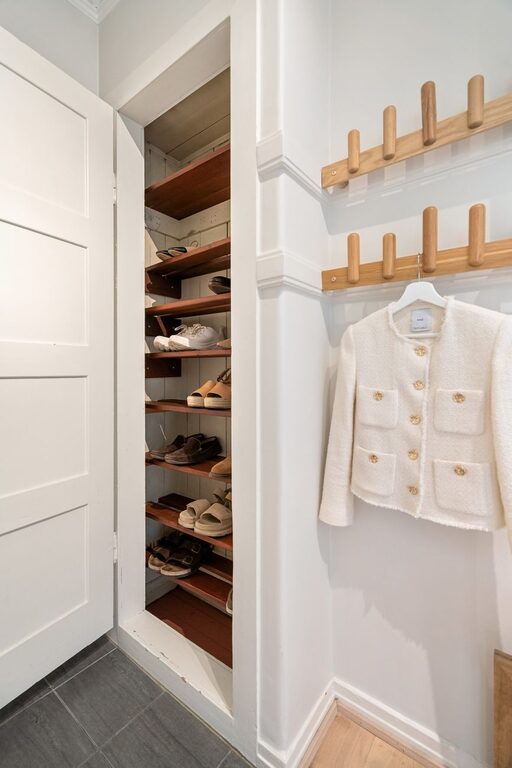
Simple Ways to Organize Your Entryway
Your entryway is the first space you see when you come home and the first impression guests get when they visit. It can also become a collection point for shoes, coats, bags, mail, and anything else you carry through the door.
The good news is that an organized entryway does not need to be large or expensive. With a few practical storage solutions and simple daily habits, you can create a space that feels calm, useful, and welcoming.
Start by Clearing the Clutter
Before adding baskets, hooks, or shelves, remove everything from the entryway. Place the items on the floor or a nearby surface so you can see exactly what has collected there.
Sort everything into a few simple groups:
– Items that belong in the entryway
– Items that belong in another room
– Items to donate or discard
– Items that need attention, such as repairs or cleaning
Be honest about what you use regularly. The entryway should hold the things you need when leaving or returning home, not every item that happens to pass through the space.
Once the area is clear, wipe down the floor, walls, baseboards, and any existing furniture. Starting with a clean space makes it easier to maintain your new system.
Choose Storage Based on Your Routine
The best entryway organization system matches the way your household actually works. Consider what typically causes clutter.
Do shoes gather by the door? Add a shoe rack, low shelf, or basket. Do coats end up on chairs? Install hooks at a convenient height. Do keys and small items go missing? Create a dedicated drop zone.
Walk through your usual routine and ask:
– What do I carry when I leave?
– What do I bring inside?
– Where do these items go now?
– What would make putting them away easier?
Storage is most effective when it is easy to use. If a solution requires several steps, people may stop using it. Open baskets, hooks, and trays are often more practical than complicated cabinets.
Add Hooks for Coats and Bags
Wall hooks are one of the simplest ways to improve an entryway. They use vertical space and keep coats, hats, scarves, backpacks, and reusable bags off the floor.
Install enough hooks for the people who use the space most often. You can also assign one or two hooks to each family member. This makes it easier to keep personal items together.
For a neat appearance:
– Use matching hooks for a consistent look
– Leave enough space between hooks for bulky coats
– Place frequently used items at an easy-to-reach height
– Reserve higher hooks for seasonal or less-used items
– Avoid hanging too many items on one hook
If you rent or cannot make permanent changes, try an over-the-door organizer or removable hooks designed for the weight of the items you plan to hang.
Create a Drop Zone for Small Items
Keys, sunglasses, wallets, and mail are easy to lose because they are small. A dedicated drop zone gives each item a clear home.
A small tray on a console table can hold keys and other daily essentials. A wall-mounted organizer may work better in a narrow entryway. You can also use small bowls or divided containers to separate items.
Keep the drop zone limited to things you use often. If it becomes a place for receipts, loose change, and random objects, empty it regularly.
A helpful routine is to return items to the drop zone as soon as you come home. This prevents small belongings from spreading to other surfaces around the house.
Organize Shoes by Frequency of Use
Shoes often create the most visible entryway clutter. Start by keeping only the pairs used regularly near the door. Store special-occasion shoes, seasonal footwear, and extra pairs elsewhere.
Choose a storage method that suits your space:
– A narrow shoe rack for small areas
– A bench with hidden compartments
– Open cubbies for easy access
– A large basket for slippers
– A cabinet for a cleaner, more concealed look
Avoid filling the shoe area beyond its capacity. When the rack or basket is too full, shoes are more likely to end up on the floor.
A washable mat beneath the shoe storage can help protect the floor. If wet or muddy shoes are common, use a waterproof tray to contain moisture and dirt.
Make Use of Vertical Space
When floor space is limited, look up. Walls, doors, and the area above furniture can provide valuable storage.
Consider adding:
– A row of wall hooks
– A narrow shelf for small baskets
– Pegboards for flexible storage
– A wall-mounted mail holder
– An over-the-door shoe or accessory organizer
– A mirror with a small shelf or hooks
Vertical storage keeps the floor open, which can make a small entryway feel larger. It also makes cleaning easier because there are fewer items to move.
Keep heavier objects on sturdy shelves or lower hooks. Use higher shelves for light items that are not needed every day.
Add a Bench If Space Allows
A bench can make an entryway more comfortable and functional. It provides a place to sit while putting on shoes and can offer additional storage underneath.
Look for a bench with drawers, baskets, or open space below. If you already have a bench, slide labeled baskets underneath it for shoes, hats, pet items, or shopping bags.
Choose a size that leaves enough room to walk comfortably. A bench that is too large can make the entryway feel crowded and may become another surface for clutter.
Use Baskets to Contain Loose Items
Baskets are useful for grouping similar belongings and creating a tidy appearance. Assign each basket a clear purpose, such as winter accessories, dog-walking supplies, or reusable bags.
Labels can help everyone remember where things belong. Simple labels such as “Hats,” “Scarves,” or “Bags” are easy to understand and maintain.
Avoid using baskets as a way to hide general clutter. If everything goes into one container, it may be difficult to find what you need. Grouping similar items keeps storage practical.
Set Up a Simple Mail System
Mail can quickly cover an entryway table or counter. Create a basic system with separate spaces for incoming mail, items to act on, and papers ready for recycling or filing.
Sort mail soon after bringing it inside. Recycle unwanted envelopes and advertisements right away, then place important papers in their assigned location.
If you do not have room for a filing system, use one wall-mounted organizer or a small tray. The goal is to prevent paper from spreading throughout the home.
Keep the System Easy to Maintain
An organized entryway needs a small amount of regular attention. Set aside a few minutes at the end of each day to return items to their proper places.
A weekly reset can include:
– Removing shoes that do not belong in the entryway
– Emptying baskets and trays
– Sorting mail
– Wiping surfaces
– Checking for items that need to be moved or donated
– Sweeping or vacuuming the floor
If clutter returns quickly, the storage system may need adjustment. You may need more hooks, fewer items, or a different location for something you use often.
Finish With a Welcoming Touch
Once the practical storage is in place, add one or two decorative details. A mirror can make the space feel brighter and provides a useful final check before leaving. A small plant, framed print, or seasonal accent can add personality without creating clutter.
Keep decorations simple and leave enough open space for everyday use. The best entryway is not just attractive; it makes coming and going easier.
By clearing unnecessary items, using vertical storage, and giving daily essentials a clear home, you can create an entryway that stays organized with minimal effort. Start with one small improvement, then build a system that fits your space and routine.
